
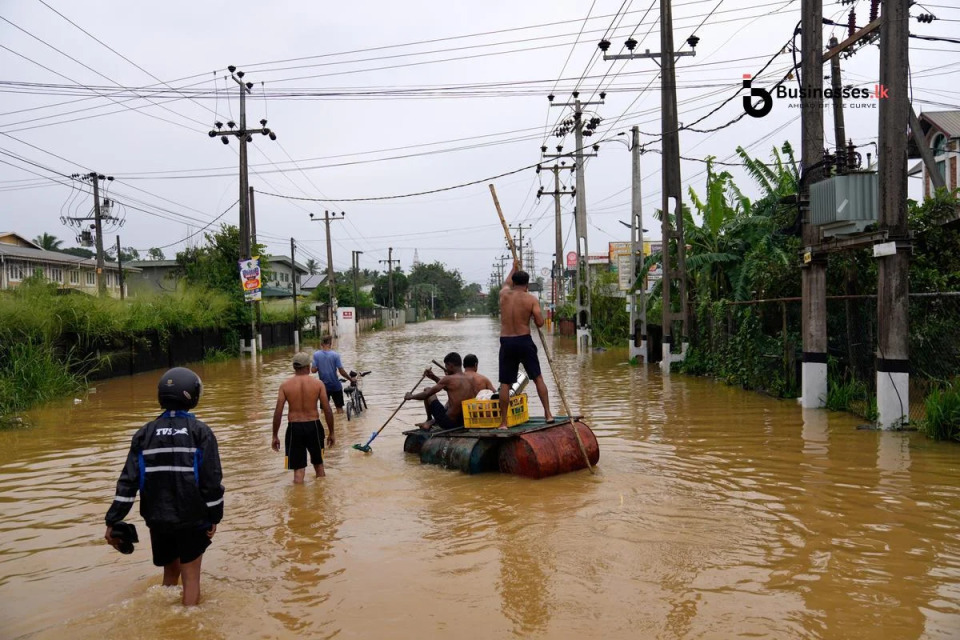
It started out as a regular shower. The kind that’s familiar to anyone in Sri Lanka; sudden, heavy, but seemingly ordinary for the monsoon season. But within hours, what began as routine rainfall transformed into something far more devastating. Storm Ditwa descended upon Sri Lanka with a ferocity that caught many off guard, turning the island nation’s familiar landscapes into scenes of chaos and destruction.
Streets that normally bustled with tuk-tuks and vendors became raging rivers, swallowing vehicles and forcing families to flee to higher ground. The island’s actual rivers transformed into angry, frothing torrents that tore through communities with terrifying power. Hillsides, saturated beyond capacity, gave way in catastrophic landslides that buried homes and severed vital connections between towns. Key roads, lifelines for commerce and communication, crumbled under the assault of water and mud, isolating entire communities and complicating rescue efforts.
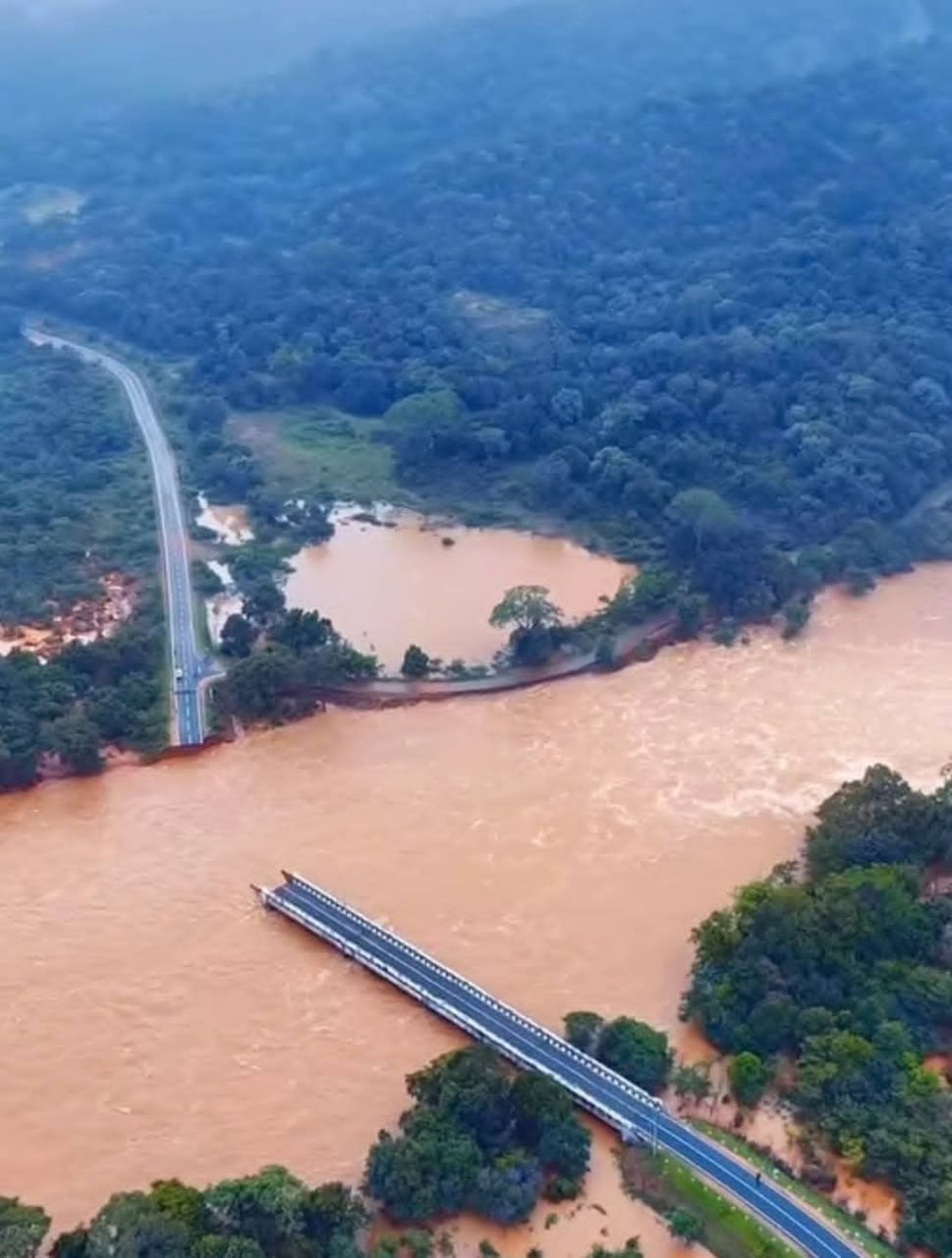 [An aerial view of a severed bridge, revealing the sheer force of the river as Storm Ditwa tore through the region. Source: Airlines Crew Tours]
As the storm finally passed, it left behind a landscape transformed by water and loss. But in the wake of Ditwa’s destruction, another force began to gather: The collective determination of Sri Lankans and supporters worldwide to rebuild, restore, and bring relief to those who lost so much.
It was at this point that the WMP team, not content with being mere observers to the unfolding tragedy, swung into action with a sense of urgency and purpose. Understanding that every hour counted for those displaced and in need, the team mobilized quickly to make a tangible difference.
The effort began internally, with both the organization and team members stepping forward to contribute. WMP allocated funds from its resources, while individual team members also dug deep into their own pockets, contributing generously despite the economic challenges many faced. The response was overwhelming, a testament to the compassion that defines the WMP community. Very soon, a significant amount had been raised through this combined effort, providing a solid foundation for meaningful relief work.
With funds secured, a dedicated group of team members took on the responsibility of procurement, carefully selecting items that would address the most pressing needs of displaced families. They scoured stores and suppliers, purchasing dry rations that would sustain families in the difficult days ahead; rice, lentils, canned goods, and other non-perishables. Recognizing that dignity and health are inseparable from survival, they also secured sanitary products, toiletries, and first-aid supplies. Every item was chosen with care, with the team constantly asking themselves: “What would we need if we were in their position?”
These carefully assembled relief packages were then transported to an air force base close to the capital city, where military personnel coordinated the complex logistics of reaching affected areas. The collaboration between civilian volunteers and military resources proved crucial, as the military had the capability to reach communities cut off by damaged infrastructure.
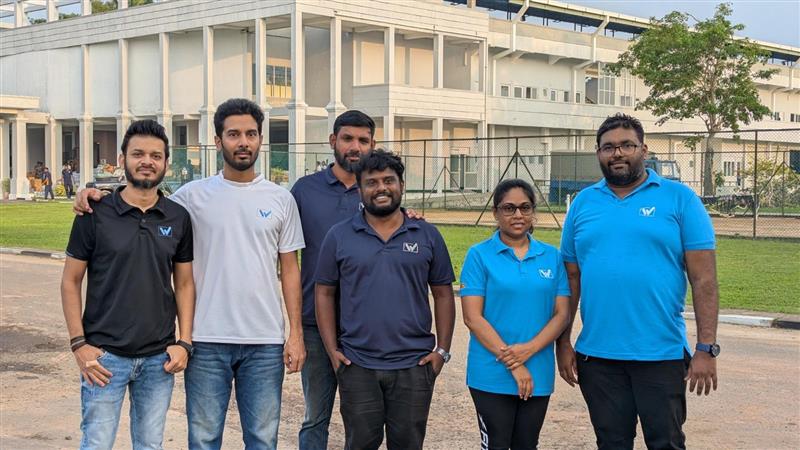 [The WMP team members at the air force base where the relief packages were handed over.]
But the WMP team’s efforts didn’t stop at the capital’s borders. Recognizing that the upcountry regions, particularly around Badulla, were among the worst affected by both catastrophic floods and devastating landslides, additional resources were mobilized specifically for these areas. A team member who lives in the upcountry personally spearheaded these parallel efforts, leveraging local knowledge and connections to ensure that aid reached the communities most in need. This local leadership proved invaluable, as they understood the terrain, the people, and the specific challenges facing their neighbors. The goods were handed over to trusted local distribution networks, ensuring they would reach families who might otherwise be overlooked in the chaos of large-scale relief operations.
These substantial efforts represent only the beginning of WMP’s commitment to storm recovery. Multiple additional phases are already in planning and development. These include the distribution of freshly cooked meals to affected families, recognizing that hot food provides not just nutrition but also comfort and normalcy in traumatic times. The team is also organizing volunteers to staff relief distribution centers, providing the human resources needed to keep aid flowing efficiently. A blood donation initiative is also planned to replenish depleted hospital supplies.
The human toll of Storm Ditwa is staggering and still emerging from the mud and wreckage. At the time of writing, official statistics stand at 481 confirmed deaths and 345 missing persons. But these numbers, devastating as they are, tell only part of the story. Rescuers remain unable to reach some remote areas due to impassable roads and severed bridges. Entire villages buried under landslides are still being painstakingly excavated. The grim reality is that the actual statistics will likely climb much higher in the coming days and weeks, each new number representing a life lost, a family shattered, a community grieving.
Yet amid this widespread death and destruction, something remarkable persists, something that statistics cannot capture. The strength, compassion, and resilience of Sri Lankans stand tall, unbowed by tragedy. Entire communities have rallied together, strangers becoming family in shared purpose. Neighbors who barely knew each other are now sleeping on the same floors of temporary shelters, sharing what little they have. People who lost everything are still finding ways to help others. This collective spirit, this instinctive reaching toward one another in the darkest hours, is a true testament to the enduring power of human nature.
Floods recede. Humanity doesn’t.